#ScientificKnowledge
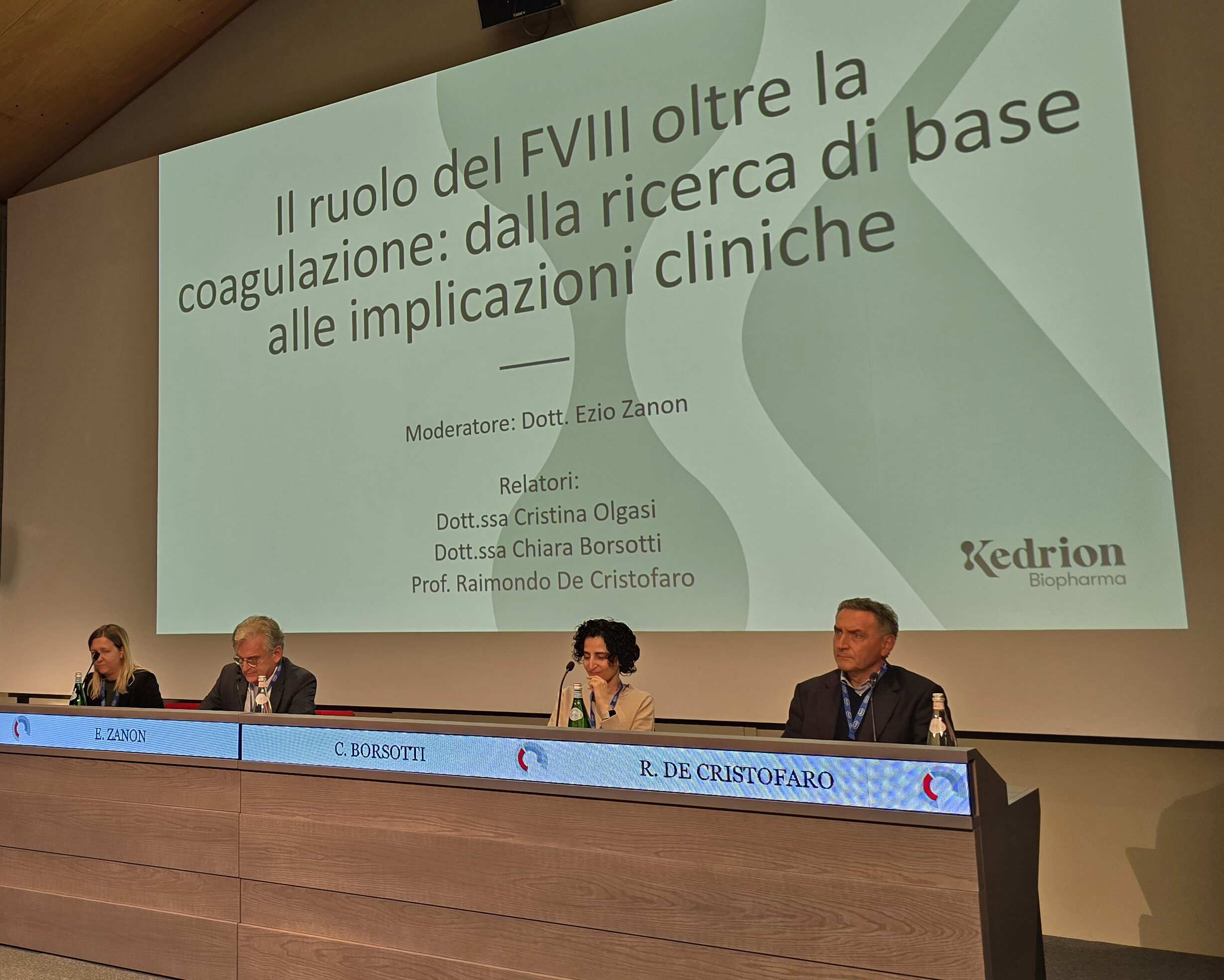
In the field of hematology, congenital bleeding disorders—particularly in their rare and ultra-rare forms—often remain significantly under-recognized. This limited awareness directly impacts the critical opportunity for early diagnosis, meaning patients often receive answers and support much later in life than what would be optimal for their health and well-being.
Dr. Giancarlo Castaman (Careggi University Hospital of Florence; President of SISET) explains that overcoming this barrier is a primary mission. He outlines how SISET (Italian Society for the Study of Hemostasis and Thrombosis) focuses on stimulating research, continuous medical education, and the creation of shared clinical guidelines to widely disseminate diagnostic and therapeutic progress. Emphasizing the broader impact of this mission, he points out that a lack of awareness remains one of the greatest obstacles for patients seeking answers.
“We are talking not only about ultra-rare blood coagulation disorders but ultra-rare diseases in general; the most important thing is always trying to promote knowledge, awareness, and sensitivity towards the possibility that there are patients who have not received appropriate diagnoses simply because there is a lack of knowledge about some of these diseases.”
Dr. Giancarlo Castaman (Azienda Ospedaliero-Universitaria Careggi di Firenze; President of SISET)
To actively combat these diagnostic delays, Dr. Castaman highlights the fundamental role of careful clinical observation. In severe bleeding disorders, critical warning signs often manifest in the immediate neonatal age, sometimes within the very first days of life. Valuing and appropriately interpreting these early clinical symptoms is absolutely essential; it is the trigger needed to activate targeted coagulation screening or more sophisticated tests, ultimately leading to the precise identification of the specific defect.
Kedrion remains deeply committed to supporting clinicians and the scientific community to advance knowledge and build greater awareness around rare and ultra-rare conditions. By always putting the patient at the center, the company fosters continuous medical collaboration to ensure that prompt recognition, accurate diagnosis, and appropriate treatments become an increasingly accessible reality worldwide.