#BetterOutcomesforPatients
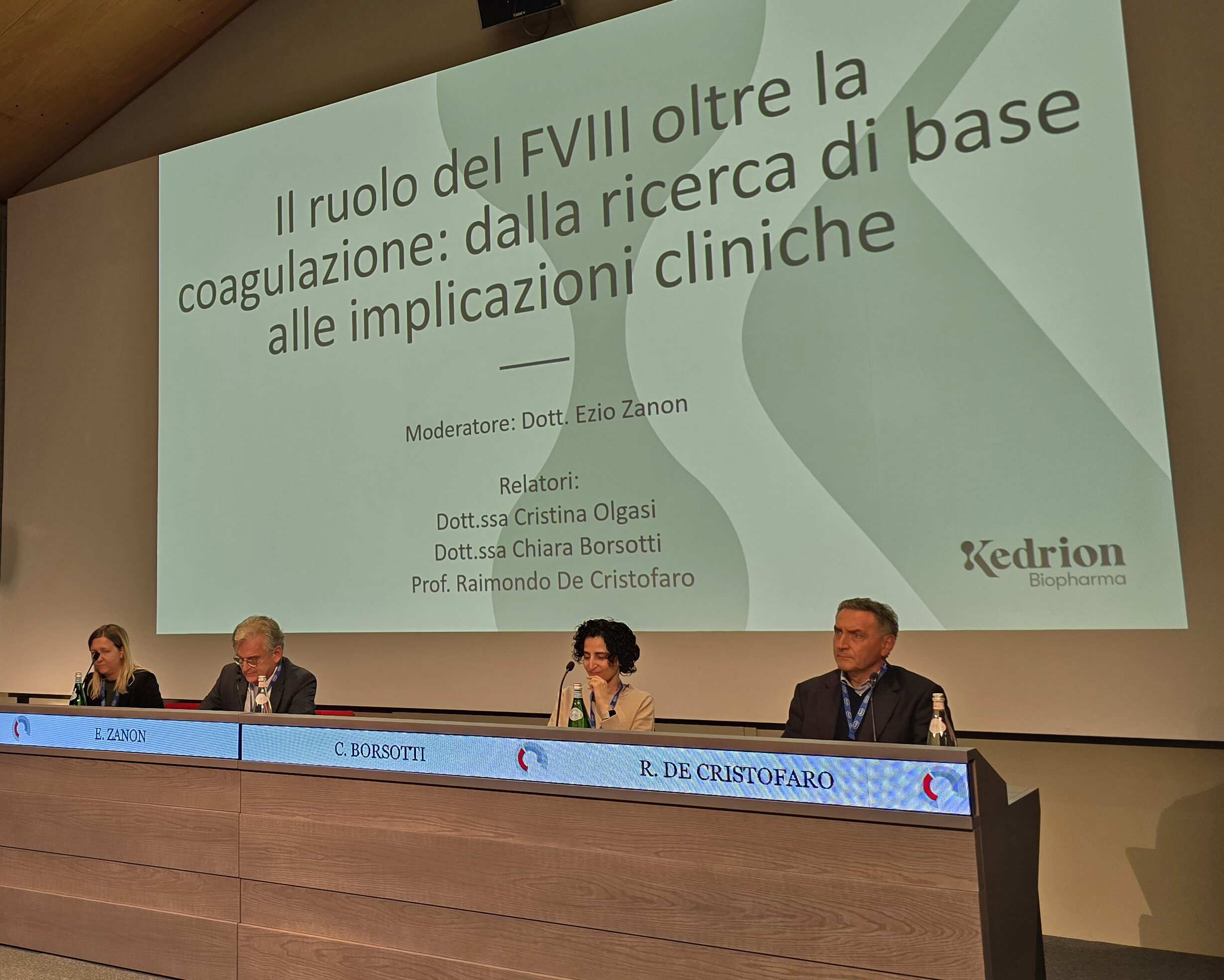
Iron-deficiency anemia is a global health challenge whose impact is felt across a vast range of clinical settings. According to Dr. Vanessa Agostini, Director of the Transfusion Medicine Unit at Policlinico San Martino in Genoa, addressing such a widespread condition requires a fundamental shift towards greater collaboration among healthcare professionals.
Dr. Agostini emphasized that this collaborative model is essential because anemia affects a diverse patient population—from surgical patients to those with chronic conditions like cancer, gastrointestinal disorders, or those on long-term anticoagulant therapy.
To provide the best possible care, it is crucial to establish shared diagnostic and therapeutic pathways that involve general practitioners, specialists, and hospital management. These uniform guidelines, aligned with the latest scientific evidence, are a prerequisite for supporting both patients and their caregivers effectively.
The discussion also highlighted the importance of monitoring specific treatment-related effects, such as hypophosphatemia in patients undergoing intravenous iron therapy. While having multiple therapeutic options available is a significant advantage, it demands careful selection based on the clinical context, whether for preoperative management or long-term therapy for chronic conditions.
“Dialogue among professionals is fundamental to improving our clinical practices. Not just among specialists in the same discipline, but also through an open conversation with other branches of medicine: internists, surgeons, endocrinologists. Only in this way can we effectively tackle cross-cutting issues like iron-deficiency anemia and hypophosphatemia.”
Dr. Vanessa Agostini, Director of the Transfusion Medicine Unit, Policlinico San Martino – Genoa